Với việc triển khai rộng rãi các trạm gốc macro 5G, đặc điểm tải điện của cơ sở hạ tầng viễn thông đang trải qua những thay đổi chưa từng có. Được thúc đẩy bởi các đổi mới như Massive MIMO và Chia sẻ Tần số Động (DSS), nhu cầu xử lý tức thời và công suất phát Tần số Vô tuyến (RF) của một trạm gốc có thể tăng vọt trong mili giây. Những đột biến tải thoáng quacực đoan này gây áp lực vật lý nghiêm trọng lên tốc độ phản ứng động và khả năng chống nhiễu của phần cứng chuyển đổi DC-DC biên.
Thách thức Điện của Tải Bùng Nổ tại Các Trang 5G
Trong một cơ sở 5G, khi nhiều luồng dữ liệu băng thông cao thực thi đồng thời, nhu cầu dòng điện có thể tăng vọt từ tải nhẹ (ví dụ: 10%) lên gần tải đầy đủ (ví dụ: 90%) ngay lập tức.
Tính toàn vẹn của Cách ly Galvanic Nguy cơ Sụt áp: Nếu độ trễ phản ứng của bộ chuyển đổi DC-DC không thể theo kịp tốc độ của sự thay đổi tải thoáng qua, sẽ xảy ra sụt áp đáng kể, có khả năng buộc các Bộ Đơn vị Ăng-ten Chủ động (AAU) nhạy cảm phải khởi động lại do điện áp thấp hoặc gây mất gói dữ liệu.
Tính toàn vẹn của Cách ly Galvanic Vượt áp thoáng qua: Ngược lại, khi một đỉnh tải đột ngột kết thúc, sự giảm tải đột ngột có thể gây ra hiện tượng vượt áp, làm lộ các chip xử lý tinh vi với ứng suất điện phá hoại.
Logic Kỹ thuật của Quy định Điện áp Động ±5.0%
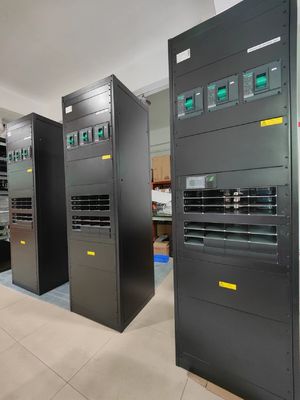
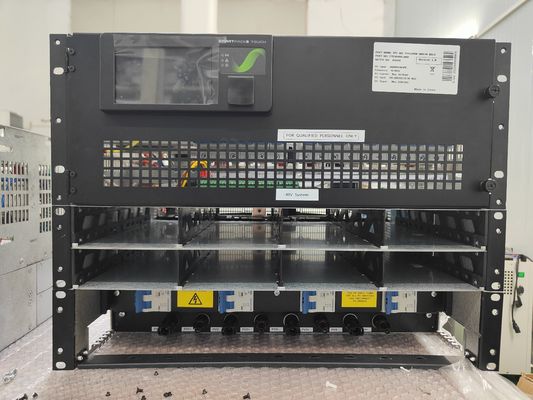
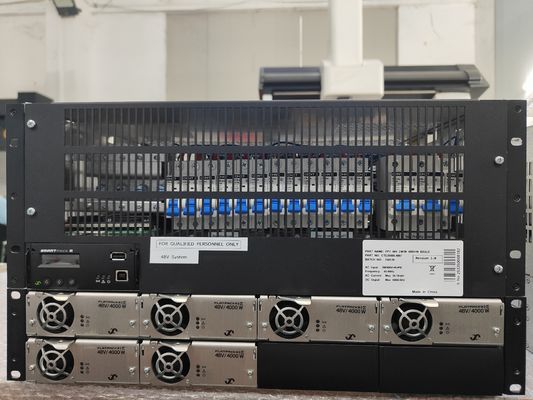
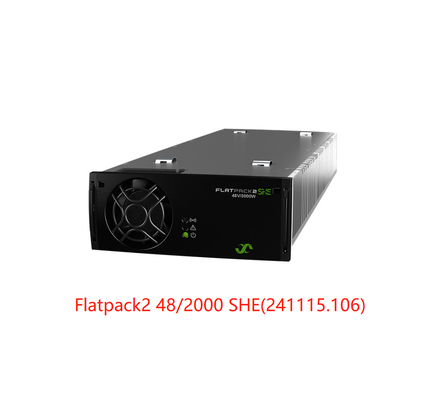
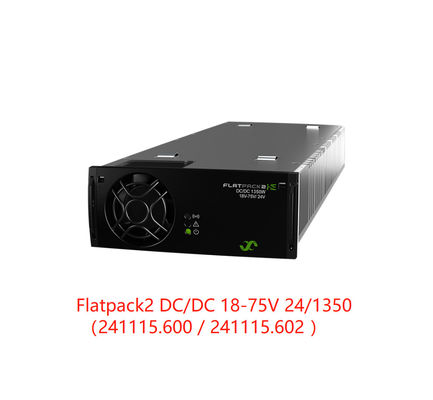
Để đảm bảo hiệu suất liên lạc không bị gián đoạn dưới sự can thiệp động như vậy, các kỹ sư phải kiểm tra khả năng phản ứng thoáng qua của các bộ phận cấp nguồn của họ. Hệ thống Flatpack2 DCDC 380V 54Vthể hiện sự làm chủ kỹ thuật rõ ràng thông qua các thông số thiết kế cụ thể của nó:
1. Thời gian Phục hồi Điều chỉnh Siêu Nhanh <50msNhư được xác nhận bởi bảng dữ liệu kỹ thuật của nó (Trang 2), hệ thống đảm bảo
điều chỉnh điện áp động trong phạm vi ±5.0%.·
Tính toàn vẹn của Cách ly Galvanic : Ngay cả khi tải dao động mạnh giữa 10% và 90%, sự biến thiên điện áp đầu ra được giới hạn nghiêm ngặt trong phạm vi ±5.0%. Quan trọng là, hệ thống có thời gian phục hồi điều chỉnh dưới 50 mili giây. Điều khiển vòng kín tốc độ cao này đảm bảo tính liên tục hoàn toàn của bus đầu ra (mặc định 54.5 VDC), cách ly các thành phần viễn thông quan trọng khỏi nhiễu đường dây động.2. Độ chính xác Tĩnh Bổ sung ±0.5%
Bổ sung cho phản ứng động này là
điều chỉnh điện áp tĩnh ±0.5%. Điều này đảm bảo rằng trong các khoảng thời gian ổn định, hệ thống liên tục cung cấp điện DC sạch, nhất quán cao cho các thiết bị điện tử nhạy cảm, tránh nhiễu gợn sóng tần số cao có thể làm biến dạng điều chế tín hiệu.Danh sách Kiểm tra Cứng cho Hướng dẫn Lựa chọn Nguồn 5G
Khi đánh giá các hệ thống hạ áp DC-DC thứ cấp cho các trạm macro 5G dung lượng cao, các kỹ sư mua sắm nên sử dụng ba đường cơ sở tham số sau đây để đảm bảo tính toàn vẹn chống nhiễu:
·
Tính toàn vẹn của Cách ly Galvanic : Phục hồi điều chỉnh động phải được giải quyết trong <50ms, với các sai lệch điện áp giới hạn ở mức ≤±5.0% định mức danh nghĩa.·
Tính toàn vẹn của Cách ly Galvanic : Trong các cấu hình song song mở rộng lên hệ thống dung lượng cao 108 kW, các mô-đun phải duy trì chia sẻ dòng điện chủ động trong phạm vi ±5%so với dòng điện tối đa. Phân phối đều này ngăn các mô-đun riêng lẻ bị ngắt do quá dòng trong quá trình tăng tải tập thể.·
Tính toàn vẹn của Cách ly Galvanic : Kiến trúc phải cung cấp cách ly vật lý đầu vào/đầu ra 4.2 kVDCđể ngăn chặn nhiễu chế độ chung tần số cao do sự bất ổn của lưới điện hoặc các sự kiện sét đánh trên các đường cấp điện áp cao.